徒歩で日本縦断の旅 Walking Across Japan 3
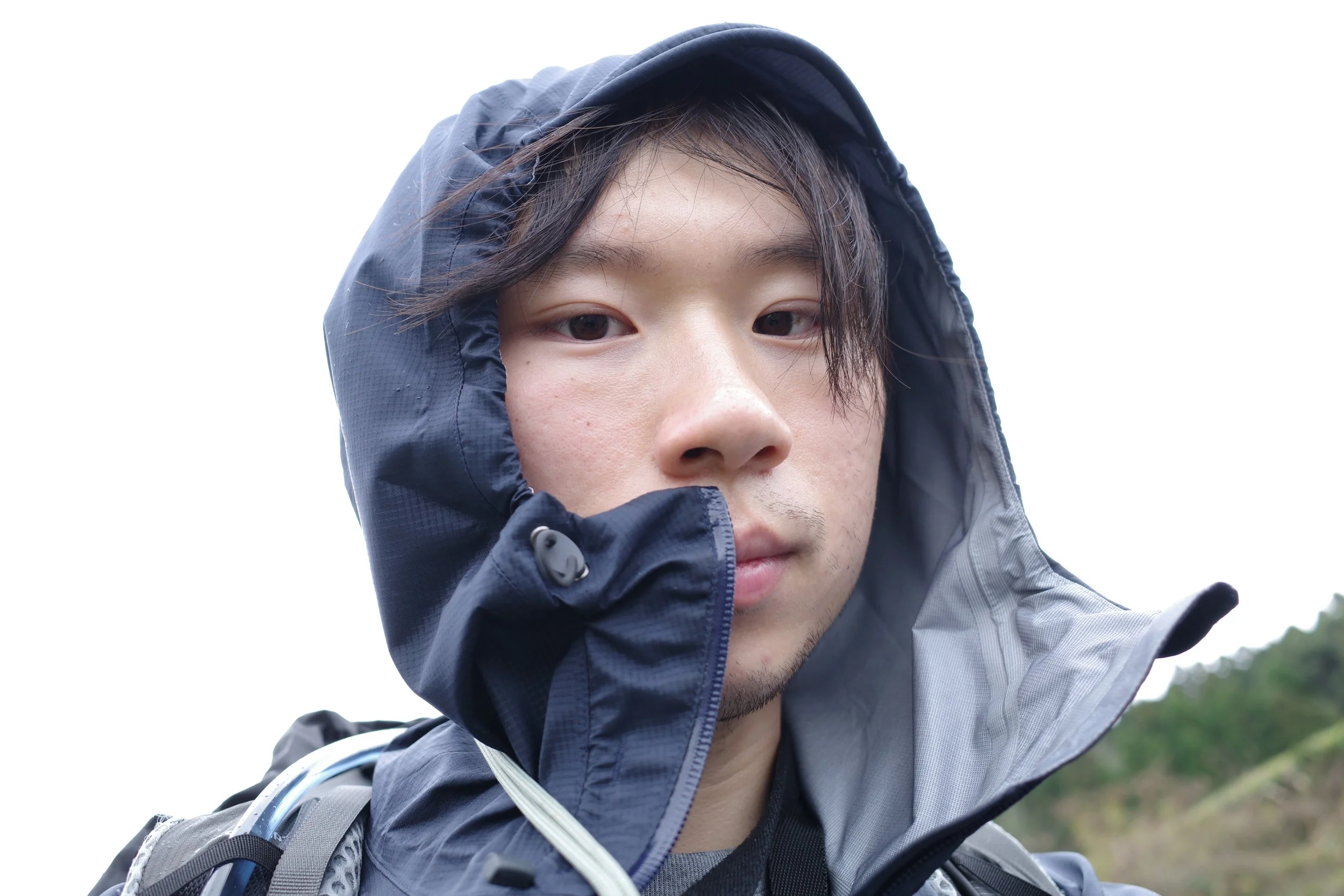
Today I walked 19 km.
It was a rainy day, so I put on my raincoat and continued walking.
In the middle of the walk, I took a break at a local sticky rice shop. There, I met a grandma who became curious about my journey.
She taught me a Japanese phrase: 人柄がいい.
She said it means having a kind character, the kind of feeling that makes people want to talk to you.
That made me happy.
Along the path, I also passed by shrines in the rain.
Later, at the ryokan, I met a grandpa and grandma. They had come here because grandpa was going to have eye surgery.
Because of bad weather, the boat back home had stopped running, so they had to stay at the ryokan too.
I was by myself, so I asked if we could all eat dinner together.
They gladly welcomed me.
Then, for the next three days, the weather became even worse.
The temperature dropped further, and it even began to hail.
Grandpa and grandma had no choice but to stay longer, and I was lying in bed with a terrible fever.
The day before the boat finally went back home, grandpa and grandma thought maybe they could take me to a local sentō bathhouse, so my body could warm up and relax a little.
So I went with them.
After bathing, I went to the changing room, but there were no towels.
I asked a customer who had just finished changing if he could get a towel for me.
As I was changing, we began talking.
I told him about my walking journey and showed him my route.
When he looked at the map, he said,
“Sendai is where I live. If you don’t mind, you can stay at our house.”
I said,
“Really?!”
Slowly, the journey keeps connecting me to people.
~to be continued~
今日は19km歩いた。
雨の日だったので、レインコートを着て、そのまま歩き続けた。
歩いている途中、地元のもち米のお店で少し休憩した。
そこで、僕の旅に興味を持ってくれたおばあさんに出会った。
おばあさんは、僕に日本語を一つ教えてくれた。
「人柄がいい」
それは、その人の性格や雰囲気がよくて、周りの人が自然と話しかけたくなるような感じだと教えてくれた。
それを聞いて、嬉しくなった。
道の途中には、雨の中に神社もあった。
その後、旅館でおじいさんとおばあさんに出会った。
おじいさんは目の手術を受けるために、ここへ来ていた。
悪天候のため、家に帰る船が欠航になり、二人もその旅館に泊まることになった。
僕は一人だったので、
「一緒に晩ごはんを食べてもいいですか」
と聞いてみた。
すると、二人は快く迎えてくれた。
それから三日間、天気はさらに悪くなった。
気温はもっと下がり、ひょうまで降り始めた。
おじいさんとおばあさんは帰ることができず、そのまま滞在するしかなかった。
その間、僕は高熱でベッドに横になっていた。
ようやく船が出る前日、おじいさんとおばあさんは、僕の体を温めて少し楽にするために、地元の銭湯へ連れて行ってくれた。
僕も一緒に行った。
お風呂から上がって脱衣所へ行くと、タオルがなかった。
着替え終わったばかりのお客さんに、タオルを取ってもらえないかお願いした。
着替えながら、その人と話し始めた。
僕は徒歩で日本を縦断している旅のことを話し、ルートを見せた。
その人は地図を見て、こう言った。
「仙台は、僕が住んでいる場所です。よかったら、うちに泊まっていってください。」
僕は思わず言った。
「本当ですか?!」
少しずつ、旅が人と人をつないでいく。
〜つづく〜
今天走了19公里。
今天是雨天,所以我穿上雨衣,繼續往前走。
走到一半的時候,我在當地一間賣糯米食物的小店休息了一下。
在那裡,我遇到一位對我的旅程感到好奇的阿嬤。
她教了我一個日文詞。
「人柄がいい」
她說,這個詞的意思是,一個人的個性和氣質很好,讓人會自然地想要靠近、想要跟他說話。
聽到這句話,我很開心。
沿路上,雨中也有神社。
後來,在旅館裡,我遇到了一位阿公和阿嬤。
阿公是為了眼睛手術來到這裡的。
因為天氣不好,回家的船停駛了,所以他們也只好住在這間旅館。
我一個人待著,於是問他們:
「我可以和你們一起吃晚餐嗎?」
他們很高興地接納了我。
接下來的三天,天氣變得更糟。
氣溫又下降,甚至開始下冰雹。
阿公和阿嬤沒有辦法回家,只能繼續留下來。
而我則發著高燒,躺在床上。
船終於要恢復航行的前一天,阿公和阿嬤想,也許可以帶我去當地的錢湯泡澡,讓我的身體暖起來,也放鬆一點,對發燒可能會有幫助。
於是我跟他們一起去了。
泡完澡後,我走到更衣室,卻發現沒有毛巾。
我問一位剛換好衣服的客人,能不能幫我拿一條毛巾。
接著,我們一邊換衣服,一邊聊了起來。
我告訴他,我正在徒步縱斷日本,也給他看了我的路線。
他看著地圖,說:
「仙台是我住的地方。如果你不介意的話,可以來我們家住。」
我說:
「真的嗎?!」
慢慢地,這趟旅程一直把我和人連接在一起。
〜未完待續〜